
Root Canal Treatment
Root canal treatment can save an infected tooth from otherwise certain extraction—it’s a proven procedure that will leave your mouth healthy and strong while restoring its natural appearance.
Root Canal Treatment in Grand Junction, CO
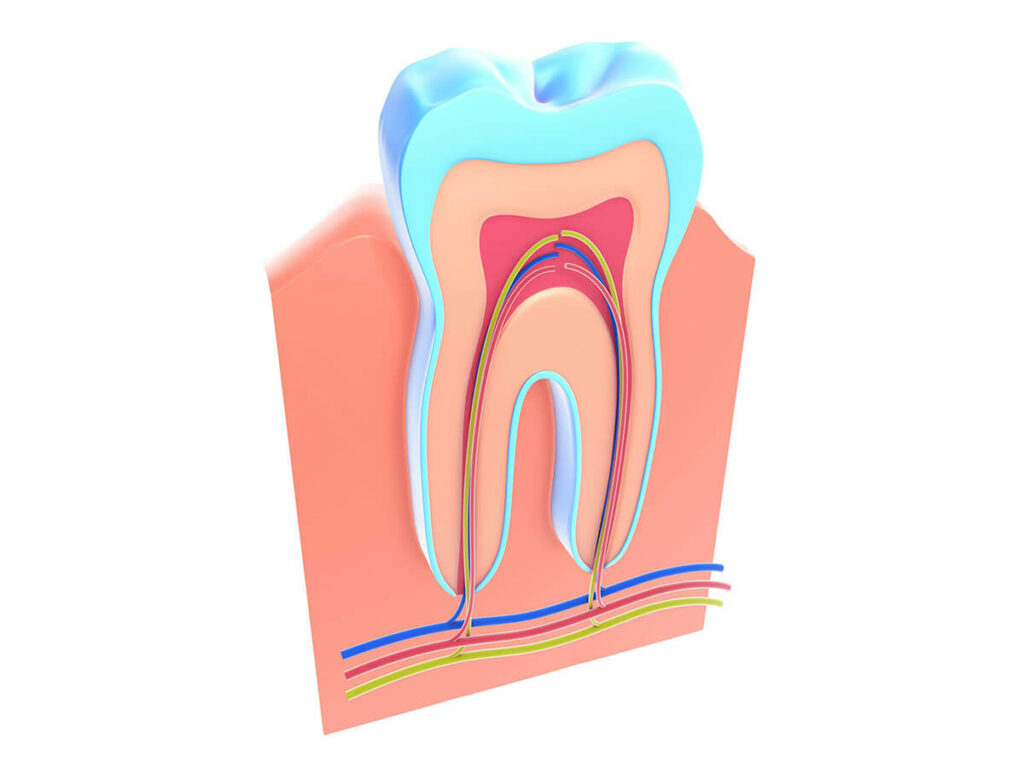
A tooth’s inner structure consists of a soft, delicate material called the pulp. This material is normally protected by the tough enamel material that surrounds it. However, a potentially serious infection can occur if harmful bacteria are able to access the inside pulp. This happens occasionally due to deep cavities or unexpected injuries. If you don’t receive treatment, you could likely lose your tooth. Root canal treatment is a great solution to overcome a serious inner tooth infection.
-
What is a root canal?
A root canal is a procedure used to save a tooth when the tissue, blood vessels, and nerves inside of a tooth have become inflamed. In order to save the tooth and remove the pain, the dentist has to remove infected and diseased tissue. Then the infected area is cleaned out and the canal inside is medicated so the surrounding area is able to heal.
Root Canal Symptoms
A patient suffering from an infected root canal will almost certainly recognize that there is something wrong. They will usually be in severe pain and will notice the following symptoms:
- Severe and intense toothaches that won’t go away
- Sensitivity to hot and cold foods and drinks
- Swollen and tender lymph nodes
- Recurring abscesses on the gums
Generally, but not always, a crown will need to be placed after the root canal treatment is complete in order to protect the tooth from any further damage.
-
How is root canal treatment performed?
Root canal treatment starts with digital X-rays to determine the extent of the damage. Then, generally, sedation is provided for comfort as the dentist accesses the tooth’s inner structure from the top. They carefully clean out an infectious material to leave the tooth as a hollowed-out structure. Then an antimicrobial liquid flushes out the root canals down to the jawbone. The tooth is then treated with a medicated filling substance to offer support and strength and to help the tooth heal in a timely manner. To protect the tooth, a dental crown is placed over the structure to prevent fractures and breakages.
-
What are alternatives to root canal treatment?
Most people facing root canal treatment are curious as to whether there are alternative procedures worth considering. Since endodontic therapy is considered a “last line of defense” for restoring your tooth, the only remaining options are to have your tooth extracted or wait until you’re in pain and have it removed at a later date. Unfortunately, with either of these options, you risk the infection spreading deeper into your face or adjacent teeth. Getting a root canal is the best possible solution.
If you opt to have your tooth extracted, there’s still the concern of replacing it as soon as possible. Otherwise, the extra space in your bite can throw off the alignment of your surrounding teeth. Two of the more common replacement options include a dental bridge or implant.
More Questions?
If you have more questions about root canal treatment, please contact our office and we will be happy to discuss further.